How to Choose the Best Barcelona Day Trips for Your Time in the City
Barcelona rewards unhurried exploration. The lanes of the Gothic Quarter, the slopes of Montjuïc, the beaches, the markets and the museums can fill days on their own. Yet many visitors also look beyond the city walls for a change of pace. The trick is choosing barcelona day trips that fit the time, energy and interests you actually have, rather than filling every hour because a place looks famous on a map.
A good day trip should feel like a natural extension of your stay. It should not turn into a race, a long transport puzzle or a string of stops you only see from a bus window. Start with the basics, then narrow the choice with a few practical checks.
Decide what kind of day you want
Begin by naming the purpose of the trip. Some people want a beach break, some want a mountain view, some want a historic town, and others want food, wine or architecture. This first decision matters more than the name of the destination. A coastal outing and a packed cultural route ask for very different levels of stamina.
Think about the shape of the day. Do you want one main place with time to wander, or several short stops? A single destination usually feels calmer. Multiple stops can be worthwhile when the places are close together and the transport between them is simple. Watch for routes that list many attractions but give little time at each one, since the day can become more about movement than discovery.
Also consider the people travelling. Children, older travellers, anyone with limited mobility and anyone who dislikes early starts will all experience the same trip differently. A route with steep streets, long walks or little shade may sound charming but feel tiring in warm weather. A trip with free time, clear meeting points and shorter walking stretches is often easier to enjoy.
Set your time budget before you compare places
Every day trip has two time costs: the time spent at the destination and the time spent getting there and back. Look at both. A place that is only a short distance away can still take a large part of the day if transport is slow or connections are awkward. A famous site further out may be fine if the journey is direct and comfortable.
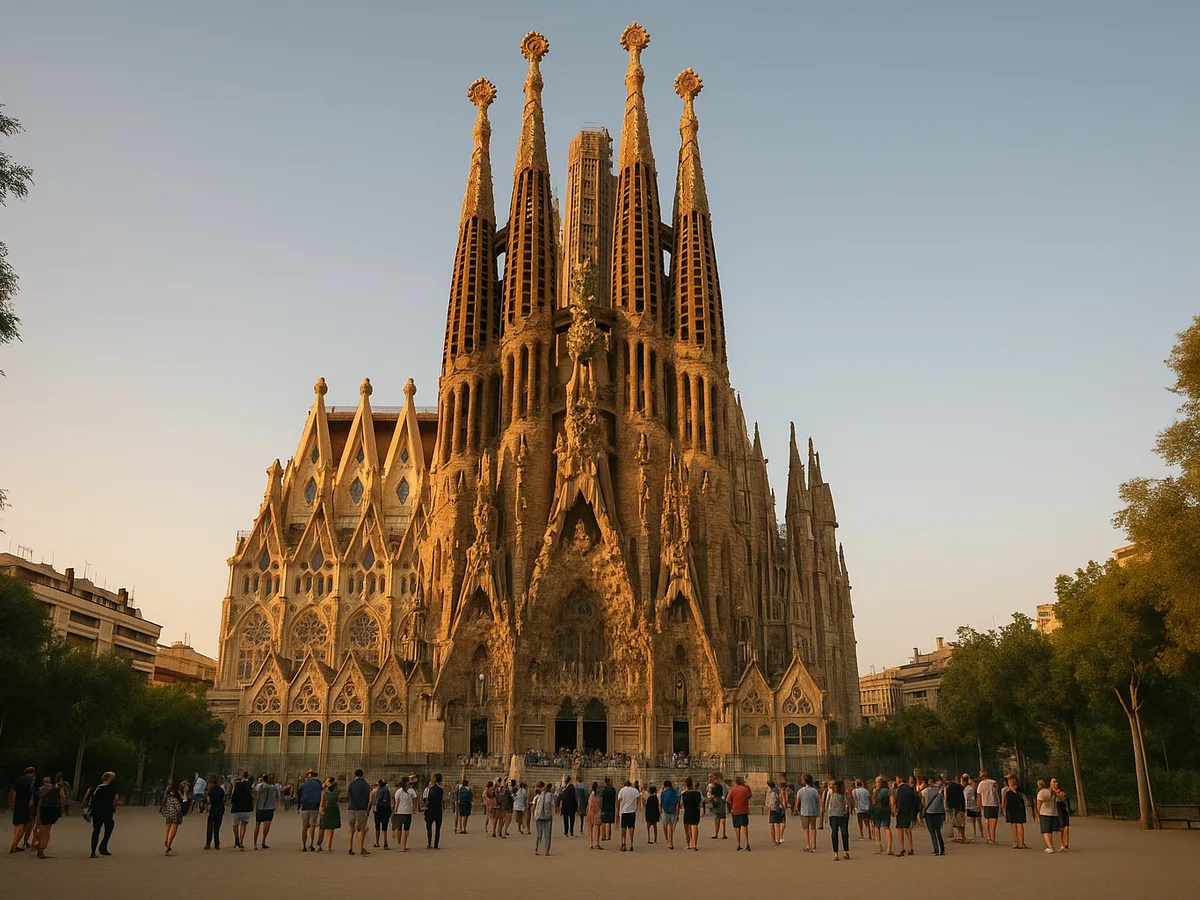
Work backwards from the evening. If you already have a dinner booking, a performance or a long walk planned in the city, leave a clear gap. Returning late with no buffer can make the next day feel flat. It is better to see fewer things well than to rush back through the city at the last minute.
Pay attention to start times. Early departures can be useful in busy seasons, but they are not automatically better. If the first part of the day is spent waiting in a cool morning queue, that may be a fair trade. If it simply means losing sleep with no real benefit, a later option may suit you more.
Match the destination to the season and weather
Barcelona and its surroundings change with the seasons. Coastal plans feel most inviting in warm months, while inland towns and shaded streets can be more comfortable when the city is hot. Mountain routes depend heavily on weather and visibility. Cloud, rain or strong wind can reduce the value of a viewpoint, even when the route itself is well planned.
Check what the day is likely to feel like on the ground, not just the general forecast. Coastal areas can be breezy. Open archaeological sites and hilltop spots may offer little shelter. In summer, midday heat can make long exposed walks unpleasant. In cooler months, shorter daylight changes the feel of an evening return.
Season also affects crowds. Popular places near the city can be busy at weekends and holidays. If your dates are flexible, choosing a quieter weekday can make a modest itinerary feel much better. If your dates are fixed, plan around peak times by starting early, staying longer in one place, or choosing a less famous but equally interesting alternative.
Check how the journey works
Transport is where many day trips succeed or fail. Look for a route that is easy to understand from start to finish. Where does it begin? How do you get between stops? What happens if there is a delay? Clear answers to those questions are a good sign. Vague wording about a convenient connection is less reassuring.
Compare the comfort of the journey with the length of the day. A train may be quick but involve transfers, stairs and crowded platforms. A coach may be simpler but spend more time in traffic. A boat adds a pleasant sense of arrival, yet it depends on sea conditions and schedules. None of these is best in every case. The right choice depends on your tolerance for waiting, walking and change.
Keep return plans in view too. A trip that looks simple in the morning can become less simple at night if services thin out. Check the last practical return, and avoid relying on a single connection with no alternative. If a destination is only reachable through a tight timetable, give it a lower priority unless the rest of the day is very flexible.
Read the itinerary with a critical eye
Ignore polished descriptions for a moment and read the sequence of the day. What is included, and what is left for you to arrange? Are entrance tickets, local transport and free time clearly separated? Does the route allow a meal break at a sensible hour? These details reveal whether the day has been designed around real visiting conditions.

Watch for the difference between seeing a place and having time there. A short photo stop at a viewpoint is not the same as exploring a town. A quick visit to a monastery or museum may leave little room to understand it. If a site is the main reason for the trip, make sure the schedule protects enough time for it.
Also look at walking demands. Historic centres often have cobbles, slopes and narrow pavements. Some places have limited access at certain times, and others require a change of transport near the entrance. If the route does not say much about these points, assume there may be more walking than expected and plan accordingly.
Compare value without chasing the cheapest option
Value is not the same as the lowest price. A lower-cost option may ask you to arrange tickets, meals or local transport yourself. That can be fine if you enjoy planning and know the area. It can be frustrating if it leaves you guessing on the day. A fuller option may feel easier, but only if the included parts are things you actually want.
Think about what would spoil the day. Waiting in a long line, missing a connection, eating at a time that does not suit you or standing through a long explanation can all reduce enjoyment. If paying more removes one of those problems and the rest of the plan fits your interests, it may be the better use of the day.
Names can help you keep comparisons tidy. City Tour in Barcelona may appear alongside other options while you research, but the name alone should not decide the matter. Compare the actual day: destination, timing, transport, access and free time. That keeps the choice grounded in your needs rather than in a polished description.
Check practical limits and local rules
Some destinations near Barcelona sit inside protected areas, historic zones or small towns with local access rules. These rules can affect where vehicles stop, when entry is allowed and how visitors move through a site. They are not minor details. A plan that ignores them can waste time or lead to a very different day from the one advertised.
Dress codes, bag checks and restrictions on photography can also matter, especially at religious sites and museums. Check them before you set off. For beach plans, think about what you will carry and where you can change. For hill or coastal walks, take water and sun protection, and choose footwear that suits uneven ground.
Access needs should be checked directly when they matter. Ask what the walking surface is like, whether there are steps, and whether transport can stop close to the main entrance. If the answer is unclear, treat that as a reason to pause rather than assuming the route will work.
Leave room for the city itself
It is easy to treat barcelona day trips as a way to tick off famous names, but the city is not just a base. Leave part of your stay for its own neighbourhoods, food, architecture and ordinary streets. Many of the best moments come from unused time: a long lunch, a quiet courtyard, a walk along the water, or a late afternoon coffee after the crowds thin.
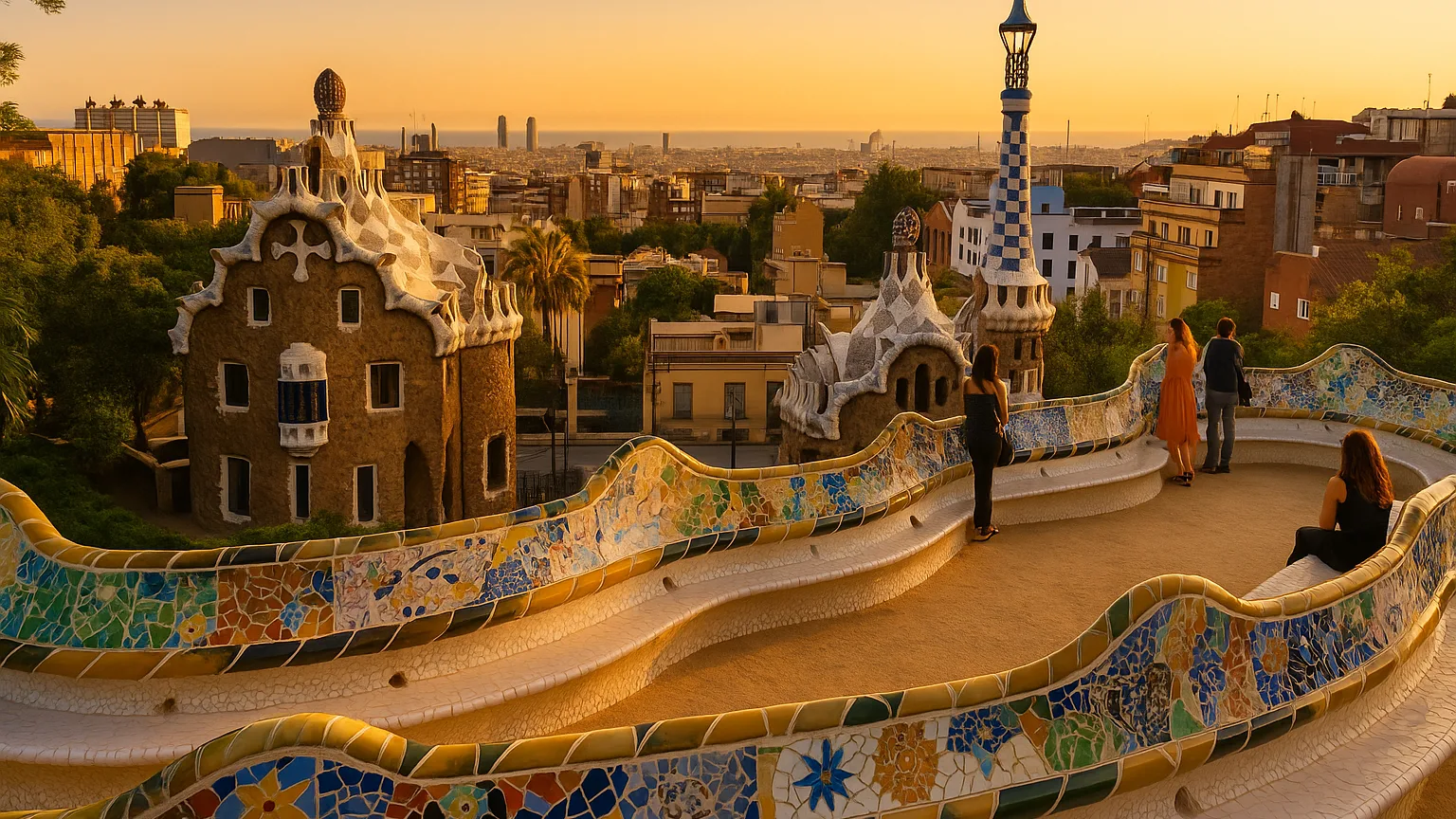
A balanced plan might include one full day outside the city, one shorter nearby escape and several days spent exploring Barcelona at a modest pace. This approach reduces the risk of fatigue and gives you a better sense of place. It also makes a cancelled or weather affected trip easier to absorb, because the rest of your stay does not depend on it.
When a name such as City Tour in Barcelona comes up during research, use it as one point of comparison and keep returning to the same questions. What do you want to see? How long will the day take? What could make it uncomfortable? Which parts matter enough to protect? Clear answers turn a long list of possibilities into a short set of good choices.
Make the final choice with a simple test
Before you commit, picture the whole day from leaving your base to returning. Does the first transport feel manageable? Is there a proper break? Does the main site get enough time? Will you still have energy for the evening? If any answer feels weak, adjust the plan or choose a different destination.
The right trip is not always the most famous one. It is the one that fits your dates, pace and interests without turning travel into a test of endurance. Choose with that in mind, and the day outside Barcelona is more likely to feel like a highlight rather than a logistical exercise.